Osun 2026: Why Oyebamiji Is Emerging as a Credible Alternative
By Abiola Oluwaseun

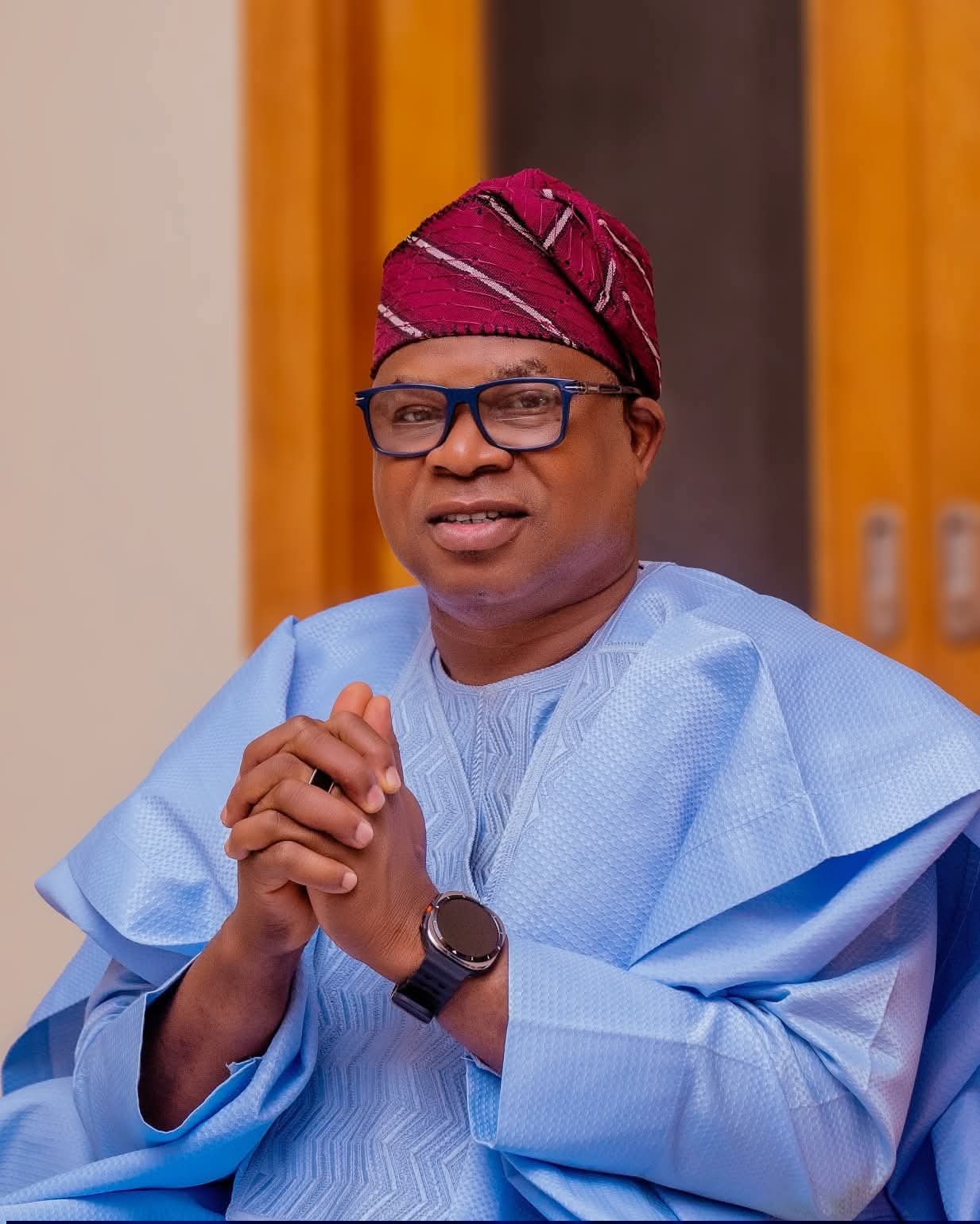
As the campaign for the Osun State off-cycle governorship election gathers momentum, the candidacy of the All Progressives Congress (APC) flagbearer, Asiwaju Munirudeen Bola Oyebamiji, is increasingly drawing attention across the state. With the August 15, 2026 election drawing closer, supporters and political observers alike are increasingly presenting Oyebamiji as a credible alternative capable of redefining governance in the state.
The political race toward the 2026 off-cycle governorship election in Osun State has begun in earnest, bringing renewed debate about the direction of the state and the quality of leadership required to unlock its potential.
Campaigns officially commenced on March 11, setting the stage for what many observers believe could become one of the most consequential elections in Osun’s recent political history.
For many residents, the contest represents far more than a routine political exercise. It is increasingly being framed as a referendum on governance and a critical decision about whether the state should continue along its current trajectory or embrace a new path focused on rebuilding key sectors of the economy and restoring public confidence in leadership.
At the centre of this emerging political conversation is Asiwaju Munirudeen Bola Oyebamiji, popularly known as AMBO. A technocrat with extensive experience across both the public and private sectors, Oyebamiji, a former Managing Director of the National Inland Waterways Authority (NIWA), has steadily positioned himself as one of the most prominent alternatives to the administration of Governor Ademola Adeleke.
Supporters argue that his candidacy represents a potential turning point for a state many believe has struggled to fully harness its economic and human potential in recent years.
For a state blessed with rich cultural heritage, a vibrant population and significant economic assets, Osun should be thriving. Yet critics say the reality on the ground paints a less optimistic picture.
Despite substantial allocations from the federal government over the past three and a half years, funds that analysts estimate to run into hundreds of billions of naira, many residents say they have seen little improvement in the public services that affect their daily lives.
Across communities, complaints about deteriorating infrastructure, struggling public institutions and underperforming social services have become increasingly common.
For opposition voices, this disconnect between available resources and visible development lies at the heart of the criticism directed at the current administration.
Supporters of Oyebamiji argue that Osun’s challenge is not merely a shortage of funds but a deficit of strategic leadership capable of translating resources into measurable progress.
Nowhere is the sense of stagnation more evident, critics say, than in the education sector.
For decades, the South-West region of Nigeria has been known for strong educational standards. Osun, historically celebrated for producing scholars, professionals and innovators, once stood proudly within that tradition.
Today, however, concerns about the state of education in the state are becoming increasingly difficult to ignore.
Across many public primary and secondary schools, infrastructure is visibly deteriorating. In several communities, classrooms are overcrowded, buildings show signs of neglect and learning facilities are often inadequate.
Teachers have repeatedly raised concerns about shortages of instructional materials as well as the urgent need for recruitment to address staffing gaps.
The challenge is compounded by a critical shortage of teachers and a growing population of out-of-school children. Estimates as of October 2024 put the figure at about 150,000.
According to UNICEF Social Policy Specialist, Muhammad Okorie, about 14.88 per cent of male children and 11.5 per cent of female children in Osun are out of school, an average rate of about 13 per cent.
At the tertiary level, institutions are also grappling with funding constraints that affect research development, infrastructure expansion and academic competitiveness.
Universities such as UNIOSUN and UNILESA face persistent funding shortages, leading to increased tuition fees and contributing to rising dropout rates among undergraduates.
Despite the Child’s Rights Act of 2003, which guarantees basic education for children under the age of 18, access to education remains far from universal in Osun.
Indeed, reports have suggested that the state currently records the highest number of out-of-school children in the South-West region.
Critics argue that the decline in the education sector reflects a broader governance challenge. Without deliberate investment and strategic planning, they warn, the state risks undermining the future of its young population.
The healthcare sector presents another troubling reality.
Across many rural and semi-urban communities, primary healthcare centres serve as the first and sometimes only point of medical contact for residents.
Yet many of these facilities operate under severe constraints, including shortages of medical equipment, inadequate drug supplies and insufficient numbers of trained health workers.
Available data suggest that the state’s primary healthcare system is under immense pressure. Over 44 per cent of the state’s roughly 600 primary healthcare centres reportedly operate without any health workers, while about 73 per cent face critical understaffing.
In practical terms, this means millions of residents may lack reliable access to basic healthcare services.
The situation forces many patients to travel long distances to access better-equipped hospitals in larger towns and cities, imposing additional financial and physical burdens on families already struggling with economic hardship.
Public health experts maintain that strengthening healthcare delivery requires sustained investment in infrastructure, expanded recruitment of health personnel and improved systems for the supply of drugs and medical equipment.
For critics of the current administration, the condition of healthcare facilities across the state raises fundamental questions about government priorities.
Agriculture, another critical pillar of the state’s economy, also faces significant challenges.
With fertile land and favourable climate conditions, Osun possesses enormous agricultural potential. For thousands of rural residents, farming remains a primary source of livelihood.
However, the sector has struggled to deliver the level of economic growth and job creation many believe is possible.
Agriculture in the state is currently confronted by multiple constraints, including low productivity, inadequate infrastructure and security concerns that threaten food production.
High costs of inputs, lack of modern equipment and the gradual abandonment of farms have contributed to declining farming activity in several communities.
Some estimates suggest that farming output in certain areas has dropped by as much as 50 per cent.
Critics also point to what they describe as insufficient budgetary prioritisation for agriculture. In the past three years, only about N7.6 billion was reportedly allocated to the sector despite the state generating close to N1 trillion in revenue.
Farmers have frequently complained about limited government support, poor access to improved seedlings and mechanised tools, as well as inadequate rural roads linking farms to markets.
Poor road networks often lead to significant post-harvest losses, reducing farmers’ incomes and discouraging investment in agricultural production.
Many observers argue that with the right policies and infrastructure, agriculture could become a powerful engine for economic transformation in Osun.
For now, however, the sector remains largely underdeveloped.
Environmental management is another area where residents say urgent attention is needed.
Urban centres across the state continue to struggle with waste disposal challenges and poorly maintained drainage systems.
During the rainy season, blocked drainage channels increase the risk of flooding in several communities, while inadequate waste management raises broader concerns about sanitation and public health.
Environmental advocates warn that without comprehensive planning and stronger enforcement of environmental regulations, these problems could worsen as urban populations continue to grow.
For many residents, the condition of the environment reflects a broader governance issue, the need for leadership that anticipates problems and acts proactively rather than reactively.
Against this backdrop of mounting challenges, the candidacy of Asiwaju Munirudeen Bola Oyebamiji has begun to attract growing attention among voters seeking a different approach to governance.
Supporters argue that AMBO represents a new style of leadership for Osun, one grounded in administrative competence, strategic thinking and measurable results.
Having served in key positions within government and the private sector, Oyebamiji is regarded by his supporters as someone who understands both the technical and human dimensions of governance.
They believe his experience managing complex institutions positions him to address the structural weaknesses affecting key sectors of the state’s economy.
Central to Oyebamiji’s campaign is a policy agenda focused on rebuilding public institutions and restoring public trust.
In education, his supporters say he intends to prioritise the rehabilitation of public schools, the recruitment and training of teachers, and significant investment in learning infrastructure.
His proposed healthcare agenda includes upgrading primary healthcare centres, improving the supply of essential drugs and medical equipment, and expanding the recruitment of health workers to ensure wider access to care.
Agriculture is also expected to feature prominently in his economic strategy. By improving rural infrastructure, supporting farmers with modern inputs and encouraging agro-processing industries, his supporters believe the state can unlock new economic opportunities and create jobs for thousands of residents.
Environmental management would also receive renewed attention through improved waste management systems, stronger regulatory enforcement and investment in urban infrastructure aimed at preventing flooding and sanitation crises.
The months ahead will undoubtedly witness intense political campaigning, vigorous debate and competing visions for the future of Osun State.
What is certain, however, is that the 2026 governorship election represents a defining moment in the state’s political history.
For those rallying behind Oyebamiji, the message is clear: Osun cannot afford another cycle of missed opportunities. They believe the state needs leadership capable of translating its abundant resources into tangible development and real improvements in the lives of its people.









Post Comment