Security, Health Top Priorities as Tinubu proposes ₦58.47trn 2026 Budget
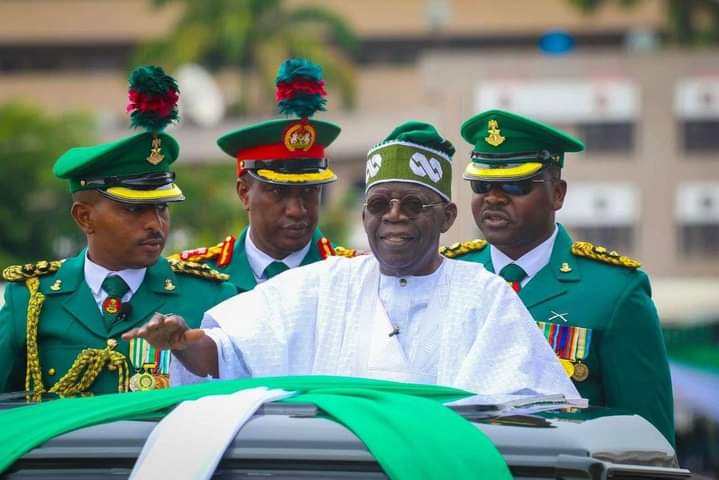
President Bola Tinubu on Friday placed security, health and human capital development at the centre of Nigeria’s 2026 fiscal plan, proposing ₦5.41 trillion for defence and security, and ₦2.48 trillion for health in a ₦58.47 trillion Appropriation Bill transmitted to the National Assembly.

Presenting the budget—titled “Budget of Consolidation, Renewed Resilience and Shared Prosperity” to a joint session of the Senate and House of Representatives, Tinubu said the allocations reflect the Renewed Hope Agenda and the “practical needs of Nigerians,” with spending priorities designed to reinforce one another.
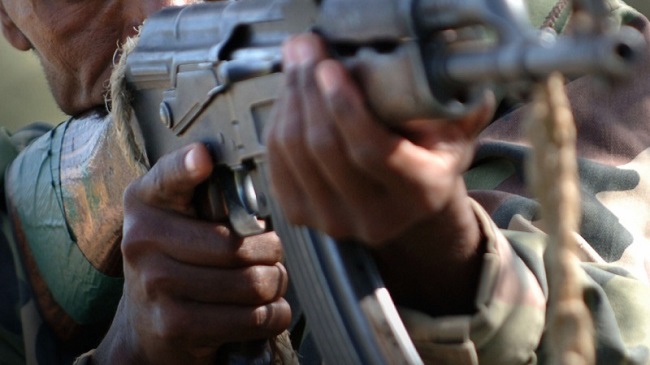
Under the proposal, defence and security receive the single largest sectoral allocation at ₦5.41 trillion, underscoring the administration’s focus on stabilising the country amid persistent security challenges.
Infrastructure is allocated ₦3.56 trillion, education ₦3.52 trillion, while health gets ₦2.48 trillion.
Under the proposal, defence and security receive the single largest sectoral allocation at ₦5.41 trillion, underscoring the administration’s focus on stabilising the country amid persistent security challenges.
Infrastructure is allocated ₦3.56 trillion, education ₦3.52 trillion, while health gets ₦2.48 trillion.
“These priorities are interlinked,” Tinubu told lawmakers.
“Without security, investment will not thrive. Without educated and healthy citizens, productivity will not rise.
“Without infrastructure, jobs and enterprise will not scale. This is why the budget is designed as one coherent programme of national renewal.”
A breakdown of the security spending shows increased funding for the modernisation of the Armed Forces, intelligence-driven policing and joint security operations, border security supported by technology-enabled surveillance, as well as community-based peacebuilding and conflict-prevention initiatives.
Health sector spending, though smaller than security, is positioned as a pillar of productivity and economic resilience, while education funding is expected to support skills development and human capital growth in line with the government’s medium-term development goals.
The 2026 budget is anchored on the 2026–2028 Medium-Term Expenditure Framework and Fiscal Strategy Paper (MTEF/FSP), which assumes a conservative crude oil benchmark of $64.85 per barrel, oil production of 1.84 million barrels per day, and an exchange rate of ₦1,400 to the dollar.
Tinubu also used the occasion to signal an end to Nigeria’s long-standing practice of running multiple budgets in a single fiscal year.
He acknowledged that overlapping budgets have distorted planning and execution and pledged that the practice would be terminated.
“There will no longer be the rolling over of budgets from March 2026,” the president said, assuring lawmakers that all existing budgets running concurrently would be concluded by that date.
The Federal Executive Council had earlier approved the ₦58.47 trillion spending plan and amendments to the MTEF, clearing the way for its presentation to the legislature. The Senate approved the MTEF earlier in the week, while the House of Representatives gave its nod on Thursday.
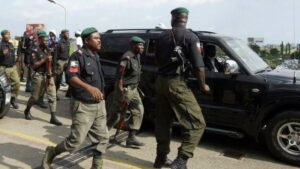
Tinubu arrived at the National Assembly amid tight security, entering the House of Representatives chamber at exactly 2:59pm. The session was attended by Vice President Kashim Shettima; the Chief of Staff to the President, Femi Gbajabiamila; Secretary to the Government of the Federation, George Akume; state governors and other top government officials.






Post Comment