Nigerian Mobile Data Among Top Four Cheapest Globally, Says MTN CEO
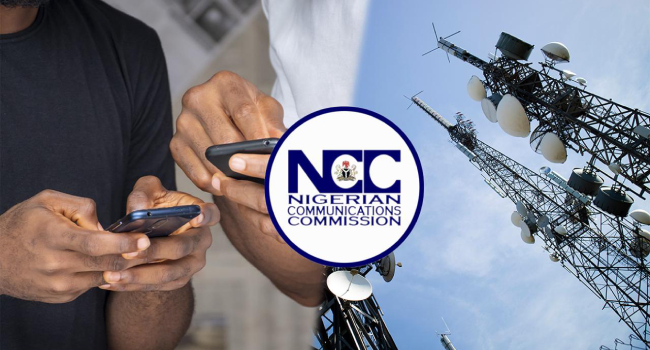
The Chief Executive Officer (CEO) of MTN Nigeria, Karl Toriola, has defended the billings for data by the country’s network providers, saying they are some of the cheapest in the world.

Network providers in the country have taken the stick in recent times for what some customers claim is a high cost for mobile data.
However, Toriola says that is not the case, arguing that Nigeria has one of the cheapest costs for data.
“Influencers and critics, look at the price at which we sell bundles of data. Then now take that price, go and check in Kenya, go and check in Congo, go and check across the world, and tell me if you are not going to tell me that data in Nigeria is one of the four cheapest in the world. Ghana is also very cheap, I acknowledge that,” he said during the MTN Data Trial conference held in Lagos on Saturday.
“But compared to any other African country, you will see that the data in MTN Nigeria, not just MTN, our competitors too, is one of the cheapest in the world, even after the tariff increase.”
In January 2025, the Nigerian Communications Commission (NCC) approved a 50% tariff increase for telecoms operators in the country, meaning users had to pay more for data and airtime.
The regulator said the review, though lower than the “over 100%” requested by some network operators, was arrived at taking into account ongoing industry reforms that will positively influence sustainability.
“These adjustments will remain within the tariff bands stipulated in the 2013 NCC Cost Study, and requests will be reviewed on a case-by-case basis, as is the Commission’s standard practice for tariff reviews. It will be implemented in strict adherence to the recently issued NCC Guidance on Tariff Simplification, 2024,” the agency said in a statement.
It cited increased operational costs and the need to ensure that the delivery of services to consumers is not compromised as part of the reasons for the first hike in rates since 2013.
“These adjustments will support the ability of operators to continue investing in infrastructure and innovation, ultimately benefiting consumers through improved services and connectivity, including better network quality, enhanced customer service, and greater coverage,” NCC said.
The move drew backlash from Nigerians and pressure groups such as the Nigeria Labour Congress (NLC), which protested against the decision, describing it as harsh.
“This decision is insensitive, unjustifiable, and a direct assault on Nigerian workers and the general populace, who are already burdened by worsening economic hardship foisted on them by policies of the government that were no fault of theirs,” the union said.










Post Comment