Nigerians Condemn New ‘Green Tax’ On Vehicles Ahead July 1 Rollout
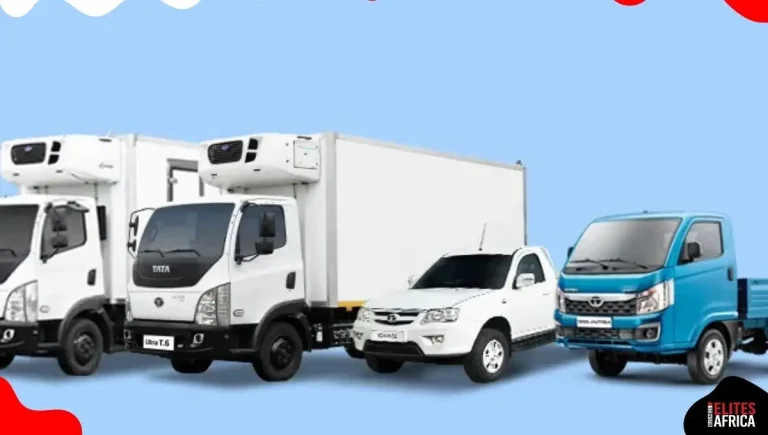
Public anger is mounting across Nigeria following the Federal Government’s introduction of a new “green tax” on vehicles, set to take effect from July 1, 2026, as part of sweeping fiscal policy reforms aimed at boosting revenue and promoting environmental sustainability.

A government circular, approved on April 1 and seen by Reuters, outlines a surcharge targeting vehicles based on engine capacity. Cars with engines between 2,000cc and 3,999cc will attract a 2 per cent levy, while those with 4,000cc and above will be taxed at 4 per cent. Smaller vehicles below 2,000cc are exempt, alongside mass transit buses, electric vehicles and locally manufactured automobiles.
The policy, according to Finance Minister Wale Edun, forms part of a broader package of fiscal adjustments replacing the 2023 framework. These include revised import tariffs, excise duty changes and Nigeria’s alignment with the ECOWAS Common External Tariff regime.
Despite its environmental framing, the announcement has triggered widespread criticism from industry stakeholders, transport operators and consumers already grappling with high inflation and rising cost of living. Economic analysts warn that the timing could exacerbate pressure on households.
“In theory, green taxes are meant to discourage high-emission consumption, but in Nigeria’s context, this may simply translate into higher costs for already burdened citizens,” said Dr. Muda Yusuf, chief executive of the Centre for the Promotion of Private Enterprise (CPPE). “There are limited alternatives such as affordable electric vehicles or efficient public transport systems to justify such a shift.”
Automotive dealers have also raised concerns about potential market distortions. According to industry expert Jelani Aliyu, former Director-General of the National Automotive Design and Development Council, the exemption for locally manufactured vehicles could stimulate domestic production but only if supported by strong industrial capacity.
“Without scaling local manufacturing, the policy risks shrinking vehicle accessibility rather than transforming the sector,” he noted. Transport operators fear a ripple effect on fares. The National Union of Road Transport Workers (NURTW) signalled that increased vehicle acquisition costs could inevitably be passed on to commuters. “Operators will adjust to survive.
That means higher transport fares across cities,” a union official said. Environmental advocates, however, see merit in the policy direction. Climate policy analyst Dr. Nnimmo Bassey argued that Nigeria must begin to internalise the environmental cost of fossil fuel consumption.
“This is a step in the right direction, but it must be accompanied by incentives such as subsidies for electric vehicles and investment in clean public transport,” he said. The government has provided a 90-day grace period for importers, manufacturers and service providers before the enforcement of the new excise regime, a move officials say is designed to ease the transition.













Post Comment