Tinubu Orders Deployment Of 100,000 Kits For Vehicle Conversion To CNG
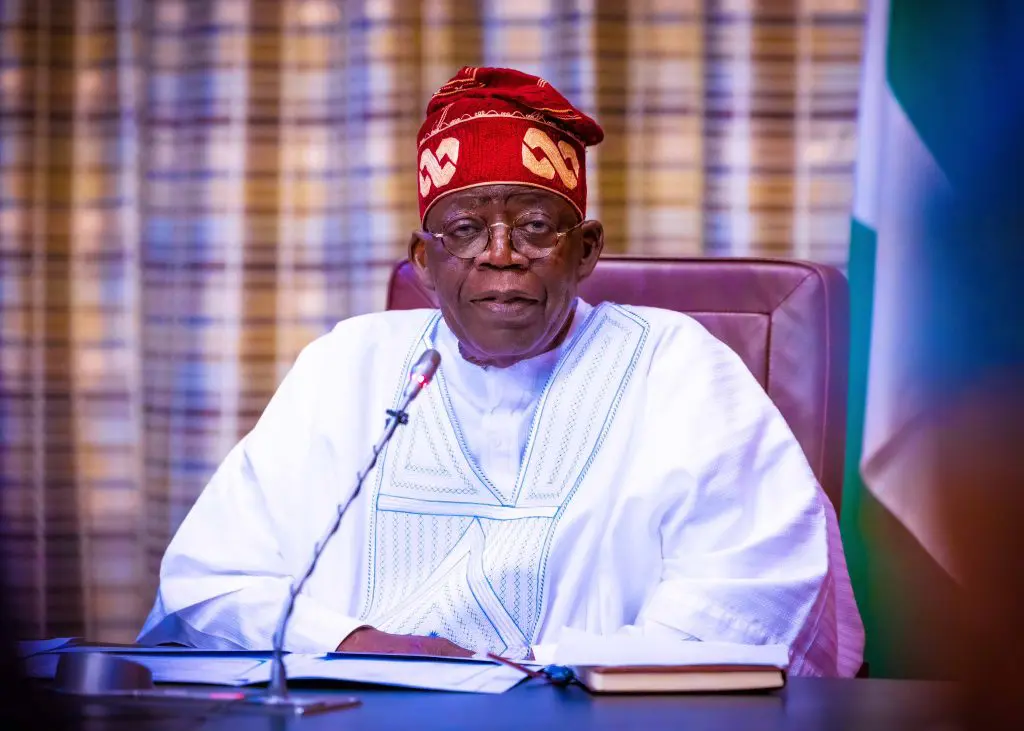
Amid the rising cost of fuel due to the ongoing war in the Middle East, President Bola Tinubu has directed the Presidential Initiative on Compressed Natural Gas (PiCNG) to immediately deploy 100,000 kits for the conversion of petrol vehicles and tricycles to gas.

This was disclosed by the Executive Director of PiCNG, Ismael Ahmed, in an interaction with journalists after a closed-door meeting with the President at the Presidential Villa on Tuesday.
Explaining the purpose of the meeting, Ahmed said: “The President, as usual, is always trying to get updates on what is going on, especially with the war in the Middle East and the rising cost of petrol and diesel. He wanted to know what we are doing at PiCNG and with electric vehicles to scale up the availability of gas and CNG nationwide, so that transportation costs for Nigerians can be reduced.
“So the President has given a direct mandate that we should immediately deploy about 100,000 kits. We are working with many stakeholders to incentivize and get these kits into the market immediately, enabling the conversion of a large number of vehicles and tricycles.”
He added that the President also directed the fast-tracking of infrastructure for gas, CNG, and electric mobility charging across the country, particularly within the Northern Corridor, to ensure broad access.
On fuel availability in light of global challenges, Ahmed said: “That is why the President is very enthusiastic about this. We aim to deploy the 100,000 kits within the next two to three weeks, and conversion centers will be busy with conversion activities.
“We also plan to deploy many CNG and electric mobility vehicles and tricycles. Currently, in Kano, we have two CNG stations, with five or six more coming up. Along the corridors from Lokoja to Abuja, Kaduna, Zaria, Kano, and all the way to Maiduguri, we will set up numerous refueling units. The President wants results delivered quickly so that Nigerians can access CNG and electric mobility easily.”
Regarding partnerships with manufacturers, Ahmed said: “Absolutely. We are partnering with many local and international manufacturers who want to set up assembly lines in Nigeria. This initiative is about job creation and increasing access to these technologies. We are also working with the Rural Electrification Agency (REA) to provide solar power for charging stations where needed.
“Nigerians are already bringing in electric vehicles. Our goal is to ensure that there is adequate infrastructure to support them, especially off-grid.”










Post Comment